Happy Wednesday my friend!
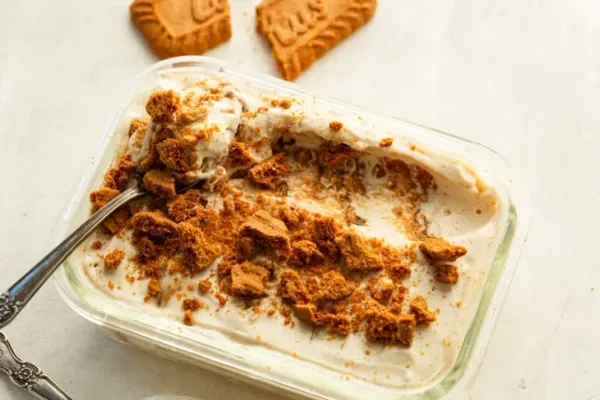
Back as promised with Part 2 of my email series about this viral 'Healthy' Biscoff cheesecake that's been going round recently.
To be honest, I think it's on its way out, so I probably won't speak about it ever again after this! But there's still important messages I want to get across.
On Monday, I talked about the trap of constantly trying to "hack" your food, and how it might keep you stuck in a cycle of dissatisfaction.
Trying to trick our biology tends to backfire.
I have some ideas as to how we can resolve this. But first, I want to address the elephant in the room regarding that "cheesecake" bowl.
The Broccoli on Red Velvet Theory
Let’s be real for a second about what is actually in that bowl.
Yes, there is Greek yogurt; a good source of protein and calcium. But what is actually making it taste good and give it the apparent cheesecake flavour? Multiple Biscoff biscuits.
Let’s look at those ingredients objectively.
Biscoff is absolutely delicious, sure. But it is essentially refined sugar, flour, and oil.
Calling this bowl "healthy" just because it's on some high-protein yogurt is a weird game of semantics.
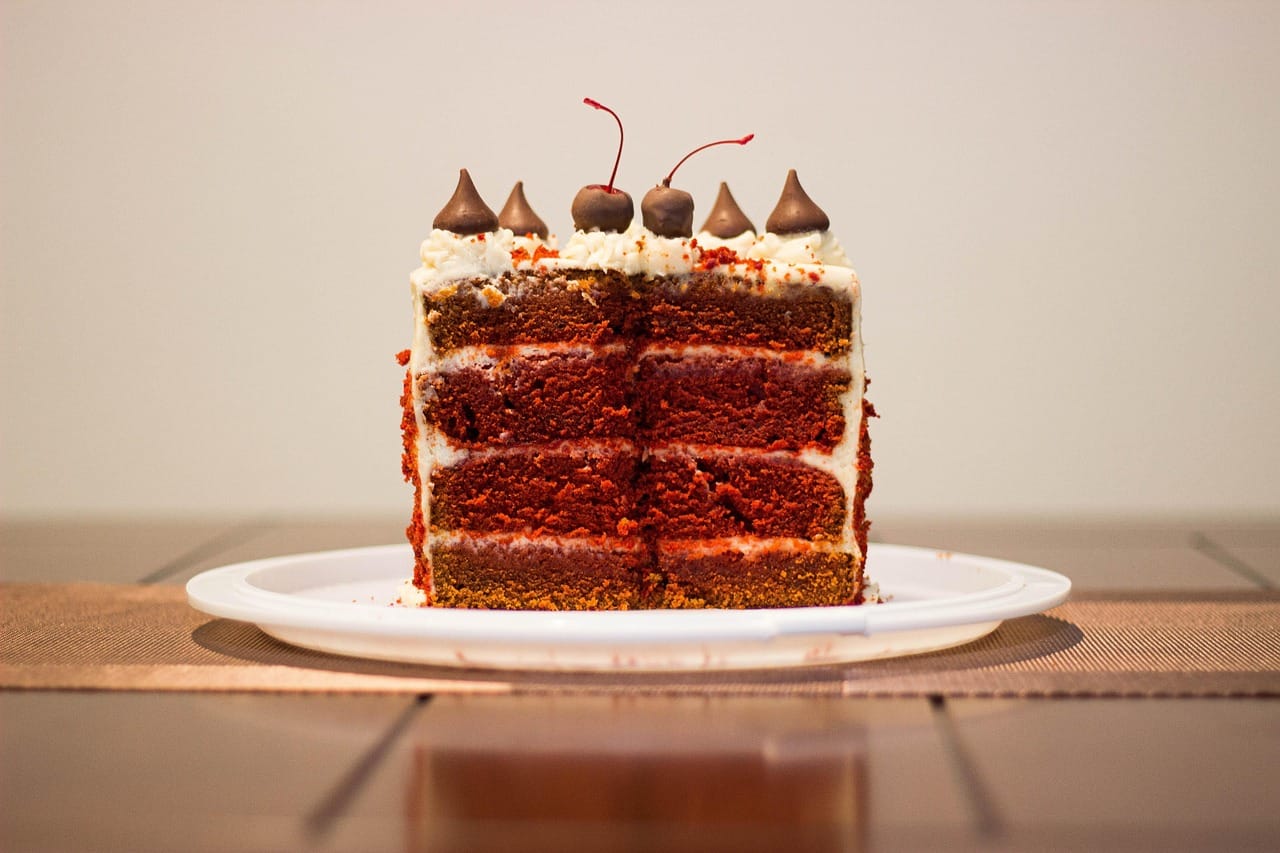
On my Instagram story over the weekend, I likened it to putting a stalk of steamed broccoli on top of a red velvet cake and calling it a "healthy cake."
The broccoli doesn’t magically cancel out the sugar of the cake. And the yogurt doesn’t cancel out the calorific biscuits.
When you label these things as "health foods," ultimately you're confuse your brain.
You think you are eating for fuel, but you are still reinforcing a craving for hyper-palatable sweets.
It also puts food in a very reductive light, and builds a misunderstanding of what actually creates health.
So, if we stop making these kind of faux 'healthy' foods, what's the solution?
Re-sensitize your palate
Think of your taste buds like a volume knob on a stereo.
Modern ultra-processed food (and yes, even the so-called "healthy" hacks loaded with sweeteners and flavour drops) are blasting at a high volume
They are literally engineered to light you up.
When you bombard your tongue with these intense flavours constantly, a simple bowl of strawberries or a Pink Lady apple (the superior apple by the way) tastes... boring.
It’s playing at a low volume and you can barely hear it.
This is why when people say "I just don't like healthy food", it's not that they don't like it; their tastebuds have been blunted.
But here is the good news: Your palate changes very fast, and research shows this.
If you cut out the hacks, sweeteners and ultra-processed foods for a period of time and focus on whole foods, it all comes back.
And as a result, you stop feeling like you need the "Biscoff hack" to feel something.
Physical vs. Psychological Satiety
This is where the "gamification" of food fails for me.
A lot of the time trying to make a whole-food 'healthier' version of a cheesecake doesn't hit the same.
You can eat a huge bowl of it and feel physically satiated.
But if your brain wanted cheesecake, you will still probably want the actual real deal not long after.
This is why I preach the 80/20 rule as a minimum baseline for health and wellbeing.

If you want the treat, just have the treat.
Go out. Order the best slice of cheesecake you can find at the end of an occasional dinner with friends.
Eat it slowly. Enjoy every single bite with zero guilt. That is your 10-20%.
Then, for the other 80-90%% of the time, let your yogurt be yogurt. Let your oats be oats. Remain dialled in with all other areas of your health.
Don't force your breakfast to be a dessert.
Simplicity > Novelty
I've mentioned the concept of Shiny Object Syndrome in newsletters and social posts recently.
When it comes to food, humans generally seem to be bored of the basics and want entertainment
But the reality of health from a nutrition standpoint is that consistency can't actually be built through fancy, viral recipes.
Many of them you see on social media are actually just for social - to garner engagement, likes and shares - but in the main, they don't actually move the needle.
It’s really about waking up and having the same nutritious oats (with tweaks where necessary).
It’s about having a lunch that truly nourishes you - not a lunch that looks good on TikTok or Instagram reels.
The quicker you stop falling for viral recipes that are supposedly 'healthier' and promise to taste like dessert, the quicker you realise that they are mostly pointless and don't serve any purpose beyond entertainment.
As I mentioned previously, if you want to eat this as part of a harmless trend to taste it, or you think it's a good way to hit your protein goals, go for it.
Don't let me stop you.
But to me it just speaks to a bigger problem within the health and wellness space.
Health isn't complicated and doesn't need to be dressed up in faux cheesecakes and other weird stuff, which makes it seem like it is.
Remain confident that whole foods will give you all you need.
I was actually hoping for a return to simplicity when it comes to health and wellbeing in 2026, but instead we've been met with a viral bucket of yoghurt and biscuits that claims to be 'healthy'.
Hopefully the rest of the year gives me some hope.
Jeff